Arc Eye Adds New Dimensions to 3D and 4D Modeling with Sony Cameras
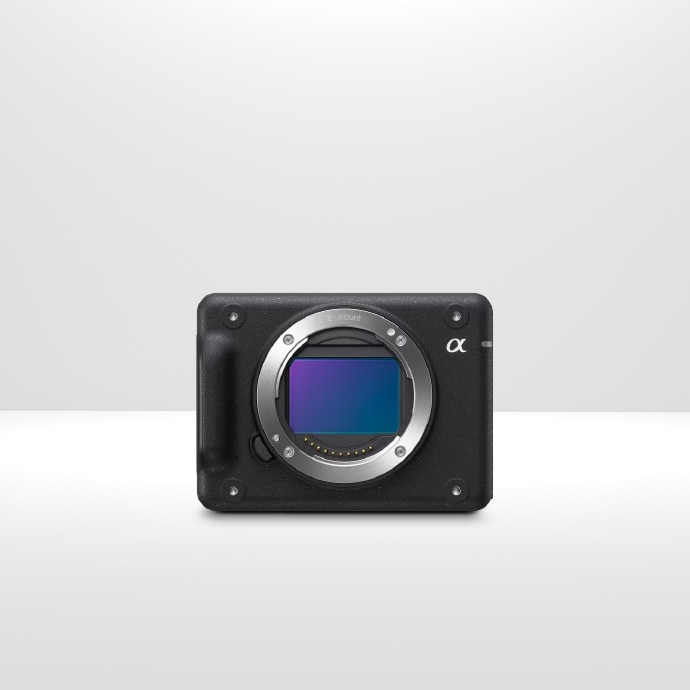
Arc Eye is redefining multi-camera image capture with a combination of Sony’s Alpha 9 III and ILX-LR1 cameras and its unique synchronization system. The advanced imaging technology company is expanding the potential of 3D photogrammetry and high frame rate 4D volumetric content capture for creative and industrial use.
Arc Eye supports applications that require automated imaging systems with enough flexibility to enhance automated e-commerce environments or service the needs of visual effects and film production companies. The company was born out of frustration with the lack of adaptability and seamless integration among camera systems available at the time.
Every single multi-camera system then was homemade, with every part made by somebody else from a different background. Everyone was doing their best to work together but the reality was that every piece of every system was generally slow, didn't talk to each other, and the end result was a rig that would have massive reliability problems.
Christian Cicerone
Arc Eye Co-founder and CEO
Finding the Right Tools
Arc Eye’s newest multi-camera rigs, incorporate Sony’s imaging technology. The Alpha 9 III, a full-frame mirrorless interchangeable lens camera, has a global shutter and high frame rate well-suited for 4D volumetric capture, which uses multiple synchronized cameras to convert a person, object, or place into 3D digital data and then reproduces it as a high-quality image. The Alpha 9 III also supports 120fps RAW image capture, a feature that many researchers and 3D scan artists find useful.
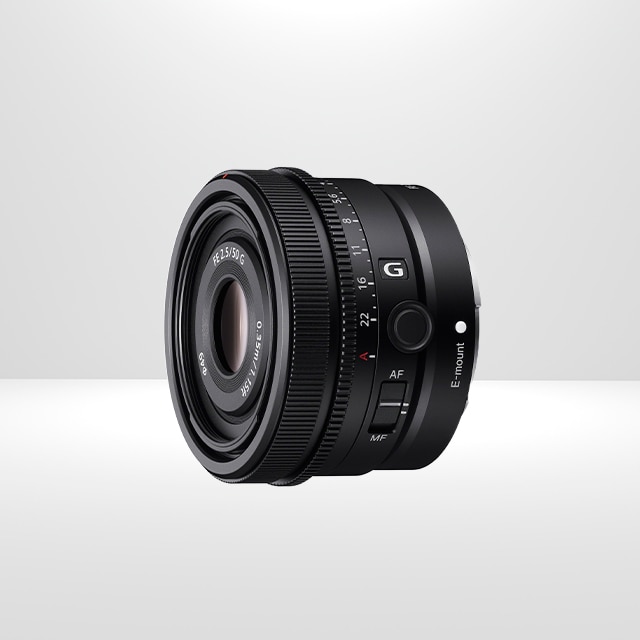
Sony’s ILX-LR1, a 61.0 effective megapixel full-frame industrial camera, is Arc Eye’s workhorse for 3D capture and photogrammetry, the process of building digital models of people or objects based on multiple images taken from multiple angles and stitched together using specialized software. Both cameras are paired with a mix of 50mm G Master™ lenses, which deliver the speed and sharpness to accurately capture texture and details in 3D and 4D modeling applications.


Leveraging Sony’s Camera Remote SDK
Arc Eye developed software, Arc Eye Studio, that communicates with the cameras over a network cable using Sony’s Camera Remote SDK. This toolkit is designed to give content creators more creative options and control flexibility when working with Sony’s professional handheld, digital cinema and interchangeable lens camera models.
“That ties it all together with a bow,” said Cicerone, adding that a key benefit of the Sony cameras and the SDK is support across many interfaces, including Arc Eye’s preferred interface network connection, as well as USB or wireless.
The cameras’ network connectivity expands access to Arc Eye’s system to a wider base of photographers, researchers, 3D scan artists, or IT directors, giving them the flexibility to use familiar technology.
Staying in-sync
The Alpha 9 III and LR1 camera models are synchronized through Arc Eye’s patented WOLF ONE sync system which was specially developed to calibrate and trigger all cameras simultaneously with lighting.
“We discovered during that process that the 9 III was extremely accurate because of its global shutter,” Cicerone said. “We were able to push the lighting sync and the camera sync during 3D and 4D capture much further than we could before.”

Sony: Supportive and Collaborative
Building the right type of camera rigs to withstand such demanding applications as 3D and 4D modeling requires more than high-performance technology. It’s a true collaboration between end-user and manufacturer to listen, share ideas and recommend the best course forward.
“It’s not enough to just make a great product, which Sony does,” said Cicerone. “You have to take in feedback as often as you can. Our problems are different from a photographer’s problems, and when we went to Sony with them, they immediately started making recommendations and implementing changes. That’s unique because we weren’t coming to them with the types of problems they intended their cameras to encounter.”
Cicerone added that the use of Sony imaging technology is consistent with Arc Eye’s original founding vision to design systems that would support every light source, all operating systems, and different types of cameras.
“This system is the culmination of years of effort to build better tools for multi-camera capture,” he said. “With Sony technology, we’ll continue building better tools for anybody who’s trying to develop and use multi-camera systems so that it’s easier to deploy and it’s faster to capture.”
Arc Eye’s mission was straightforward: improve the long-term reliability and scalability of multi-camera systems and make them easier to deploy and manage. “We simply wanted to build better tools that would allow you to bring the technology that you prefer to it.”